
Dermaplaning at SkinFirst Warrington
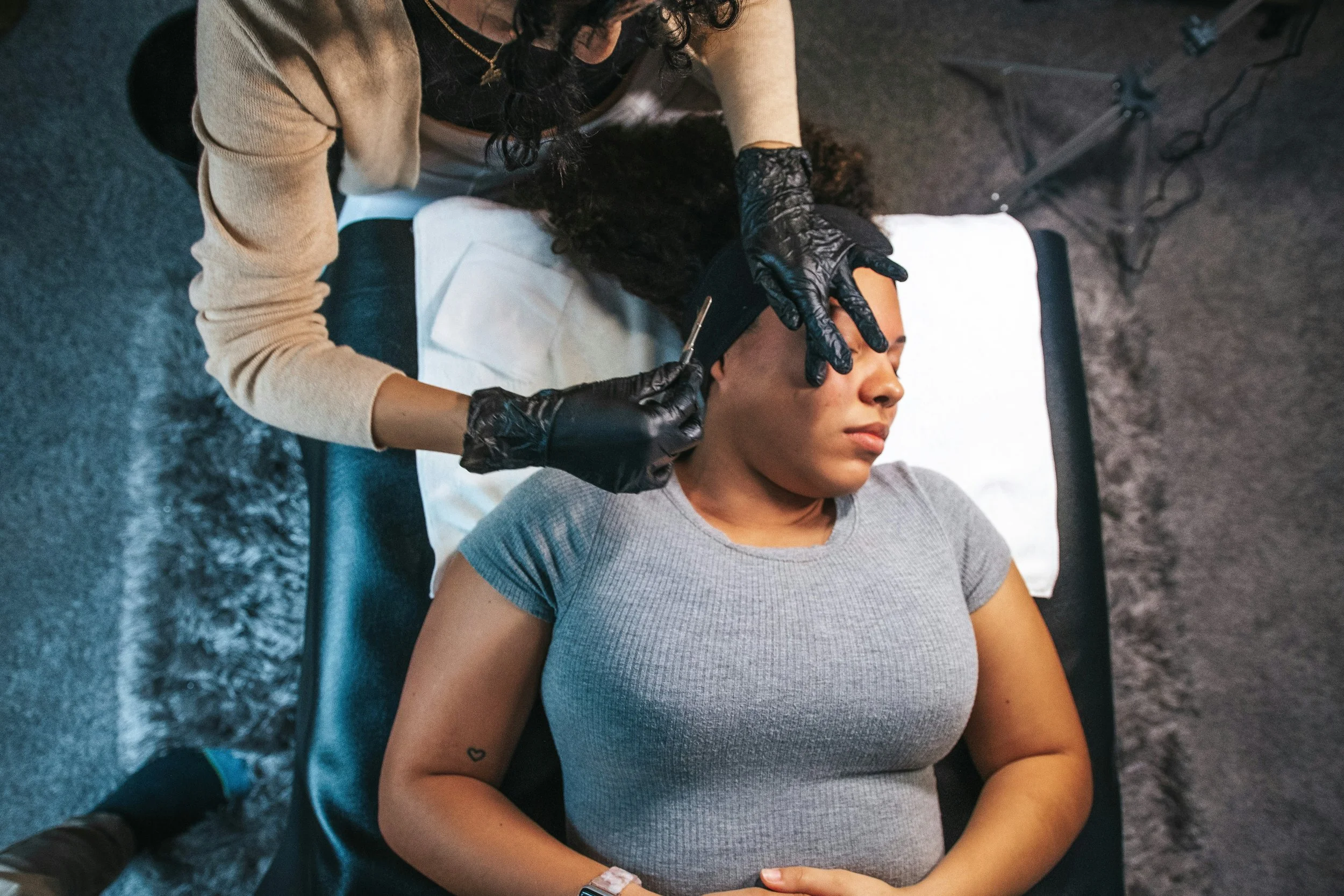
What is Dermaplaning?
Dermaplaning is a non-invasive skin treatment designed to gently exfoliate the outermost layer of the skin while removing fine vellus hair. Using a sterile surgical blade, the surface of the skin is carefully refined to improve texture, brightness, and overall skin clarity. Patients often search for dermaplaning in Warrington as a way to address dull skin, uneven tone, and buildup that can affect how the skin looks and feels.
At SkinFirst in Warrington, dermaplaning is delivered within a clinical framework to ensure it is appropriate for your skin type and condition. While it is a relatively simple treatment, proper assessment is important to avoid irritation in sensitive or compromised skin. The focus is on achieving a smoother, more even skin surface while supporting overall skin health and preparing the skin for other treatments or skincare products.
What should I expect?
Your dermaplaning treatment at SkinFirst in Warrington will begin with a consultation to assess your skin and confirm suitability. The treatment itself involves gently passing a sterile blade across the skin to remove dead skin cells and fine hair. The process is typically comfortable, with no pain or need for numbing, and is completed within a relatively short appointment.
Following treatment, skin usually appears immediately smoother and brighter, with improved texture and enhanced product absorption. There is no significant downtime, although mild sensitivity can occur temporarily. Ongoing treatments may be recommended at regular intervals to maintain results and support consistent skin renewal as part of a broader skin health plan.
Frequently Asked Questions
1. Will the hair grow back thicker after dermaplaning?
No. Dermaplaning removes fine vellus hair, which will grow back at the same rate and texture as before. It does not become thicker or darker.
2. Is dermaplaning suitable for all skin types?
Dermaplaning is suitable for many skin types, but it may not be appropriate for those with active acne or highly sensitive skin. A consultation ensures it is safe for you.
3. Is there any downtime after treatment?
There is typically no downtime. Some mild redness or sensitivity may occur but usually settles quickly.
4. How often should I have dermaplaning?
Treatments are usually recommended every 4–6 weeks, depending on your skin and treatment goals.
5. Why is a consultation necessary?
A consultation ensures the treatment is appropriate for your skin condition and allows for a personalised approach to your skin care plan.